You filter Joshua Creek listings for freehold, because you don't want a condo fee eating into what you can borrow. A townhome comes up tagged exactly that way. Then you scroll to the fine print and see a line item: Maintenance Fee, $145 a month. The listing says freehold. The fee says otherwise. Nothing about the description explains the contradiction, and the agent on the open house sign has every reason not to bring it up first.
That contradiction is not a data entry error. It is a specific ownership structure that has become common in Joshua Creek's newer phases, and it changes what you can borrow before you ever get to negotiate on price.
The Fee That Isn't Supposed to Be There
The structure is called a Parcel of Tied Land, usually shortened to POTL. It was created under Ontario's Condominium Act, 1998, which came into force in May 2001 and gave developers a way to build what looks and titles like a freehold home while tying it permanently to a share in a separate entity called a Common Elements Condominium. The CEC owns nothing but shared infrastructure: private roads, visitor parking, a stormwater pond, sometimes a small park. You own your lot and your house outright. You also owe a monthly contribution toward whatever the CEC maintains, and that obligation cannot be separated from the property. Sell the house and the POTL interest goes with it automatically.
Legal summaries of the structure put the monthly fee anywhere from about $50 to $200, depending on what the CEC actually owns and how many owners are splitting the cost. A shared private road with forty homes on it costs less per household than one with eight.
None of this makes the home less freehold in the technical sense. It does mean the word on the listing filter and the obligation attached to the property are two different things, and only one of them shows up when you search.
Two Joshua Creeks, Two Ownership Structures
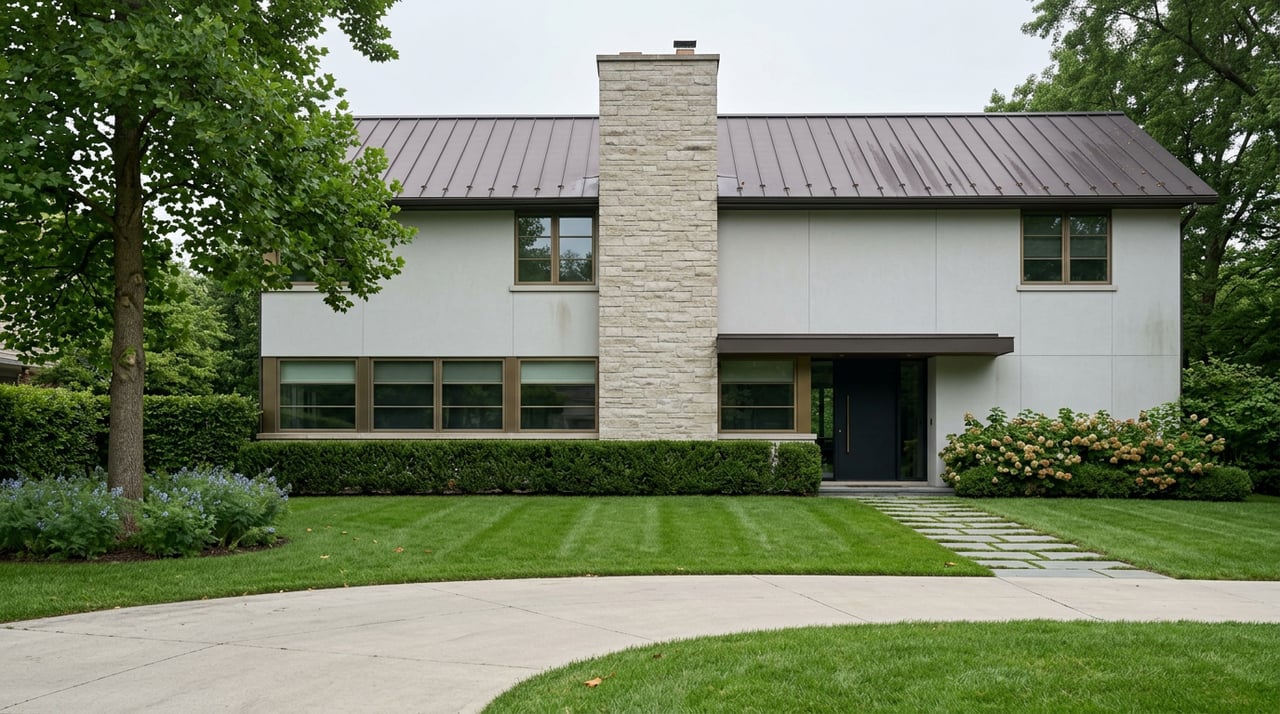
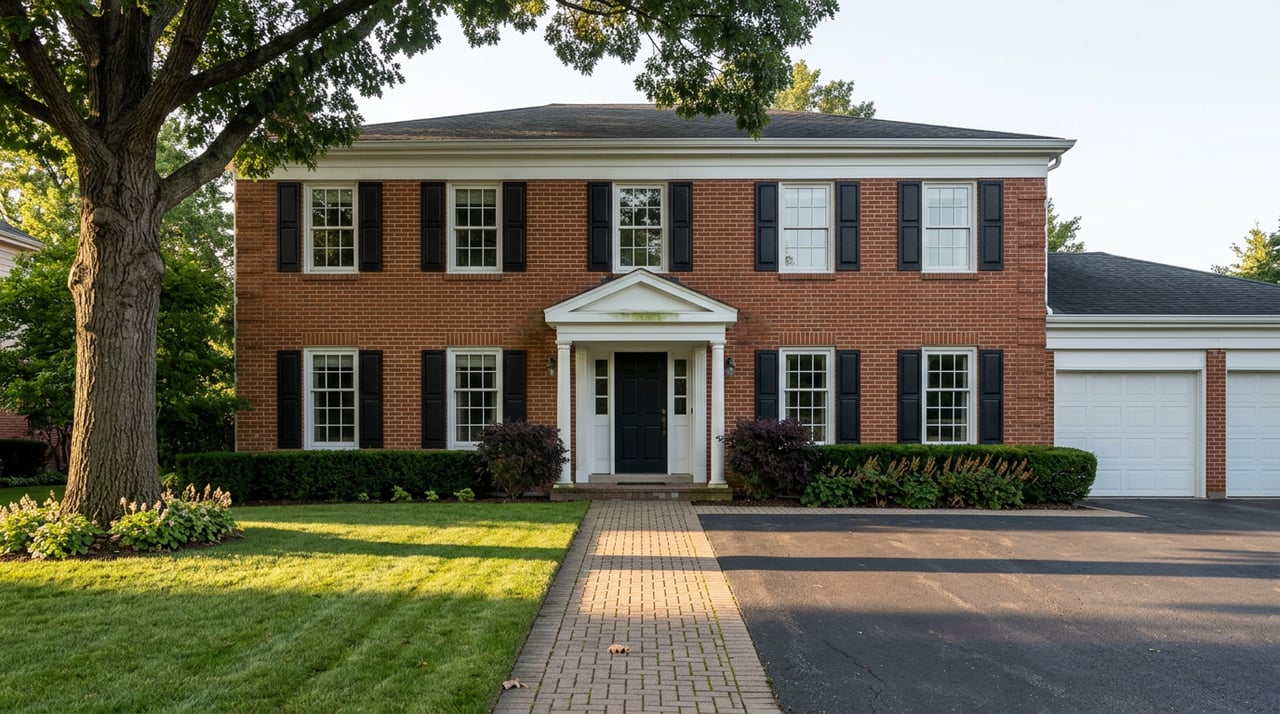
Joshua Creek's housing stock splits cleanly along build era, and that split tracks almost exactly with which properties carry a POTL.
| Established Joshua Creek (built 1990s–2000s) | Newer master-planned product (e.g. Joshua Creek Montage) | |
|---|---|---|
| Ownership | Straight freehold | Freehold tied to a Common Elements Condominium |
| Monthly fee | None | Roughly $50–$200, set by the CEC |
| What the fee covers | Nothing shared to maintain | Private roads, visitor parking, shared landscaping or stormwater infrastructure |
| Governing paperwork | Standard Agreement of Purchase and Sale | OREA Form 111, plus a CEC status certificate |
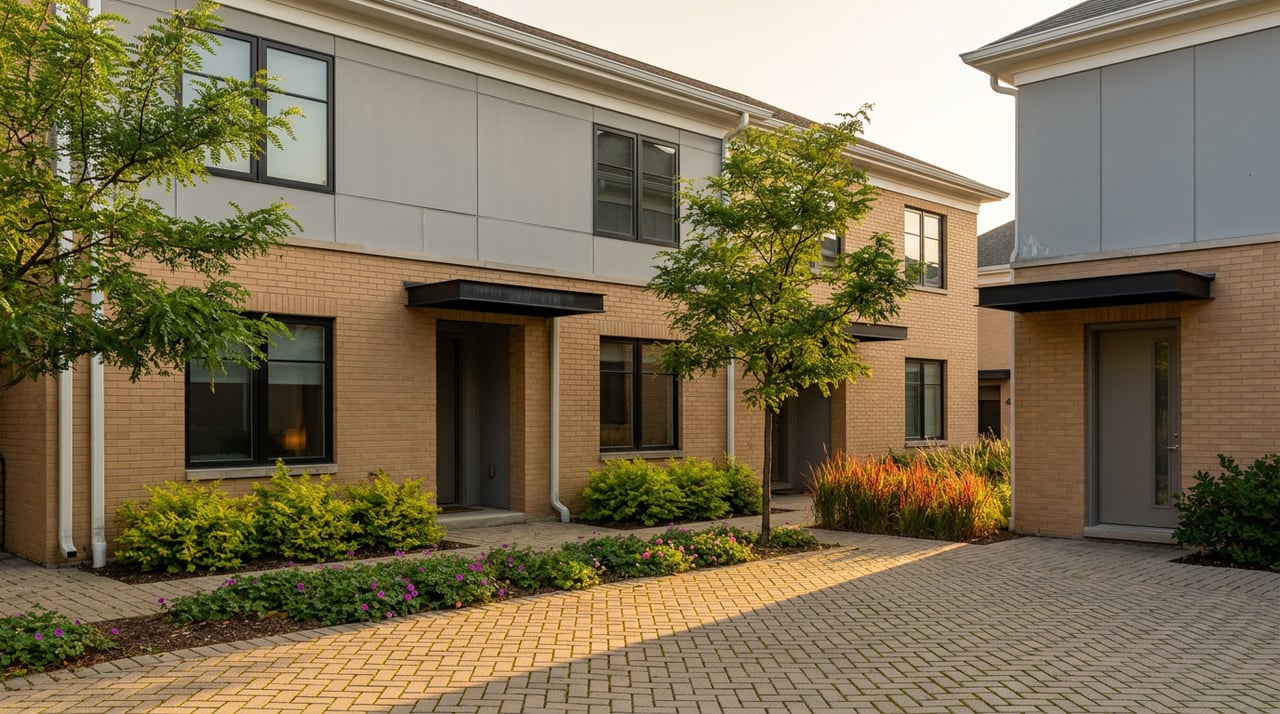
Joshua Creek Montage, the master-planned community built out by Primont Homes along with other builders in the area, is the clearest example of the newer column. It is exactly the kind of product a move-up buyer touring Joshua Creek is likely to cross paths with, alongside the area's older detached inventory from the neighborhood's original 1990s and 2000s build-out.
If you are comparing a resale detached home from that earlier era against a newer townhome a few streets over, you are not just comparing square footage and finishes. You are comparing two different legal relationships to the land underneath the house.
What a Status Certificate Actually Buys You
Because a POTL is tied to a condominium corporation even though it looks like a house, Ontario treats the purchase with the same caution as a condo sale. Buying one is supposed to be conditional on your lawyer reviewing the CEC's status certificate before you waive anything.
That document is where the real information lives. It shows the current monthly fee, whether the reserve fund is adequately funded for upcoming repairs, and whether there are pending special assessments or disputes attached to the corporation. One law firm summary of the structure put it plainly: a POTL purchase requires the same scrutiny you would give a condominium purchase, layered on top of your standard freehold title search.
The purchase agreement itself has to reflect this too. Ontario's standard form for these deals is OREA Form 111, and it exists specifically because a plain freehold agreement doesn't capture the CEC relationship. If an agreement for a POTL property doesn't reference the corporation, the fee, and the tied interest by name, that is worth asking about before you sign anything.
The Line Your Mortgage Broker Cares About More Than You Do
The part that actually reshapes your budget shows up at the lender's desk, not the closing table.
Mortgage underwriting treats a POTL fee exactly like a condo fee. It gets added in full to both your Gross Debt Service and Total Debt Service ratios, alongside the mortgage payment, property taxes, and heat, with no partial offset the way some other recurring costs get discounted. One mortgage agent's plain description of the mechanism is worth repeating almost verbatim: that $125 monthly fee could reduce your maximum mortgage or shift your file to a different lender tier.
That is the practical cost of the filter mismatch. A buyer who searches for freehold specifically to avoid a fee eating into their approval can end up with exactly that fee anyway, just without having budgeted for it, because the listing category told them otherwise. If you are pre-approving for a Joshua Creek Montage townhome, ask your mortgage broker to run the numbers with the actual CEC fee included before you fall in love with a floor plan, not after.
The Builder Down Neyagawa Boulevard Is Selling the Opposite Pitch
The clearest sign that this distinction matters to buyers right now is that a nearby builder is marketing its absence as a selling point.
Caivan's upcoming Lion Valley Towns community, launching in North Oakville at Dundas Street West and Neyagawa Boulevard and backing onto the protected valleylands of Sixteen Mile Creek, is being positioned specifically as freehold townhomes with no POTL fees, described in builder marketing as a rare find in today's market. The pitch only makes sense if enough buyers have already run into POTL fees elsewhere in North Oakville's newer product and would pay attention to a project built without one.
If a no-fee freehold townhome on a ravine setting is genuinely rare enough to be a headline feature, that tells you the fee-bearing structure has become close to the default in comparable newer communities, Joshua Creek Montage included. Buyers touring both should be pricing that difference into their comparison, not treating it as a footnote.
Where the Deposit Protection Actually Sits
New construction on a POTL still carries Tarion warranty coverage, but the deposit protection has a cap, and that cap depends on when you sign. A legal summary of the structure published in 2019 noted that Tarion protected freehold POTL deposits up to $40,000, with a higher limit for agreements signed after January 1, 2018. Warranty caps get adjusted over time, so treat that figure as a starting point rather than today's exact number. Before you put down a deposit on any new construction in Joshua Creek Montage or a comparable master-planned phase, have your lawyer confirm the deposit protection limit Tarion has in effect right now, and make sure your deposit sits within it.
Before You Waive Conditions on a POTL Townhome
A short sequence protects you here, and it is the same sequence a careful buyer's lawyer would run regardless of which agent brought you the listing:
- Confirm in writing whether the property is a straight freehold or a POTL, before you write an offer, not after.
- If it is a POTL, make your offer conditional on your lawyer's review of the CEC status certificate.
- Ask your mortgage broker to re-run your approval with the actual monthly fee included, not an estimate.
- Confirm the current Tarion deposit protection limit with your lawyer if the home is new construction.
- Compare the total carrying cost, mortgage plus fee, against a straight freehold alternative in the same price range before you decide the townhome is the better fit.
None of this makes a POTL townhome a bad choice. Plenty of buyers in Joshua Creek's newer phases are getting exactly the layout, ravine proximity, and lower maintenance burden they wanted, fee included. The mistake is discovering the fee after you have already anchored on a number the filter told you was fee-free.
A Short FAQ
Does a POTL fee hurt resale value? Not inherently. Buyers increasingly expect a modest common element fee in newer master-planned communities, provided the fee is reasonable and the reserve fund is healthy. A poorly funded or litigious CEC is a bigger resale concern than the existence of the fee itself.
Is every newer townhome in Joshua Creek a POTL? No. Ownership structure varies by builder and by phase, which is exactly why you confirm it in writing for the specific address you're considering rather than assuming based on the neighborhood name.
Can I just buy an older detached home in Joshua Creek to avoid this entirely? You can, and many buyers do exactly that for this reason. It comes with its own tradeoff: you're choosing 1990s and 2000s-era construction and layouts over a newer floor plan, and ravine-adjacent lots in the established stock carry their own price premium regardless of ownership structure.
If you're comparing a POTL townhome against a straight freehold resale in Joshua Creek and want the actual numbers run side by side before you write an offer, Mr. Sold Group can walk through both with you and get you a free home valuation to see where your current equity fits into either move.